
October 01, 2026 | 4 minute read
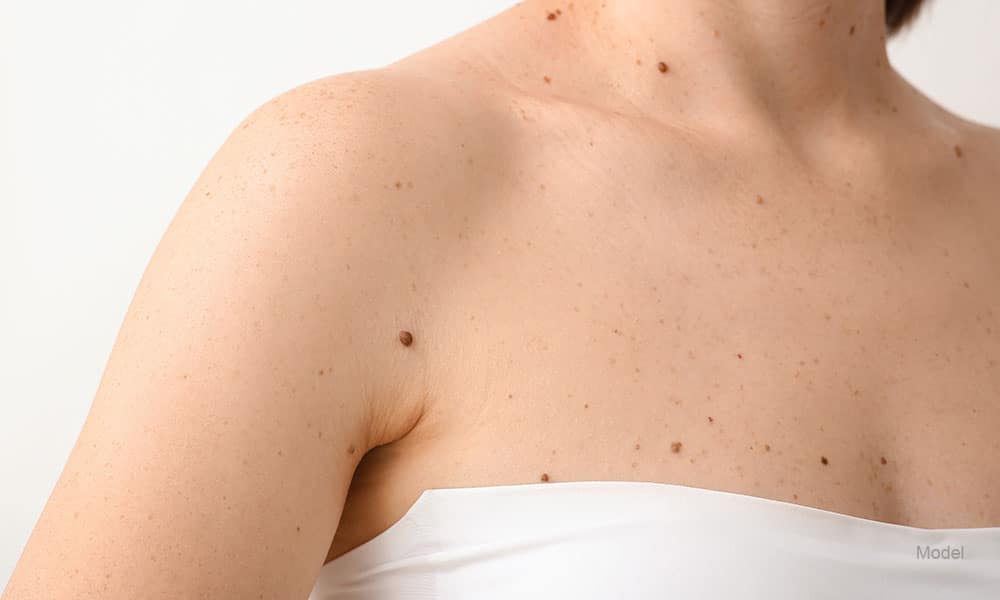
Melanoma may be the least common type of skin cancer, but it is also the most dangerous. This cancer kills over 8,000 people annually. People concerned about getting melanoma often ask whether the cancer runs in families. This blog addresses the question, “Is melanoma hereditary?” and shares other risk factors people should be aware of to increase their odds of early detection and effective melanoma treatment.
Table of Contents
- How Do You Get Melanoma?
- Are Genetics a Melanoma Risk Factor?
- Inherited Traits and Melanoma Risk
- Family History and Melanoma Risk
- Reducing Your Risk for Melanoma Skin Cancer
How Do You Get Melanoma?
The vast majority of melanomas are caused by UV exposure. UV radiation damages skin cells, leading to the uncontrolled growth of melanocytes, a specific type of skin cell. As these pigment-producing cells grow, they form malignant tumors. The early tumors often appear as new moles or skin spots, or as changes in existing moles.
While sun exposure is the primary cause of melanoma, some people may be more prone to developing skin cancer than others. Risk factors may include genetics, inherited traits, and family history.
Are Genetics a Melanoma Risk Factor?
People with certain genetic mutations may be at higher risk for melanoma. Inherited mutations in these genes are associated with a higher risk of melanoma cancer:
- CDKN2A
- CDK4
- MITF
- TERT
- TERF2IP (RAP1)
- POT1
- MC1R
- ACD
Scientists believe that most hereditary melanomas involve a combination of gene mutations, since most individual mutations occur infrequently. The exception is the CDKN2A mutation, which accounts for 22 percent of melanoma cases. Individuals who have a strong family history of melanoma, three or more diagnosed melanomas, or two or more unusual moles may consider genetic counseling to understand their melanoma risks better.
Inherited Traits and Melanoma Risk
Some of the gene mutations listed above are also associated with physical characteristics that increase the risk of all types of skin cancer. These inherited traits might include:
- Naturally blonde or red hair
- Blue, green, or hazel eyes
- Lighter-colored skin that burns easily
- Numerous freckles or moles
People with any of these characteristics should consider themselves at higher risk of skin cancer and take precautions such as daily sun protection and regular skin checks.
Family History and Melanoma Risk
Your melanoma risk may be as close as your closest relatives. If you have a parent, sibling, or child with melanoma, it doubles your risk for developing the cancer. The risk is even higher if you have multiple family members who have been diagnosed with melanoma, particularly if they were diagnosed at a younger age.
Since family history is relatively easy to determine, it remains one of the primary tools for assessing someone’s melanoma risk. If you can document health history across several generations, it provides a clearer risk assessment for many diseases, including melanoma. Family history also takes into account similarities, such as skin tone and sun exposure habits, that can increase the risk of skin cancer.
Reducing Your Risk for Melanoma Skin Cancer
Even if you have hereditary traits or a family history, you can take positive steps to reduce your melanoma risk:
- Limit your exposure to UV rays.
- Wear sunscreen daily.
- Wear sunglasses to protect the eyes and surrounding skin.
- Avoid tanning beds and sunlamps.
- Check your skin regularly for new or changing moles.
- Schedule skin examinations with your dermatologist.
These steps will lower your risk of developing cancer and increase your odds of catching it early if it does occur. Early detection and treatment of melanoma offers an almost 99 percent five-year survival rate when the cancer is localized. Once the cancer metastasizes (spreads to other areas of the body), the cure rate declines.
Schedule Your Melanoma Screening in Scottsdale Today
Regular screenings with your dermatologist and prompt appointments to address any concerns are the best way to catch melanoma in its most treatable stage. To schedule a screening with one of our providers, call Better Skin Dermatology today at (480) 596-1110 or complete our online contact form. We also have two additional office locations in Carefree and Maricopa, Arizona.